The transition into kindergarten brings new routines, expectations, and experiences. While academic preparation is important, practical life skills are just as valuable in helping children adjust. Supporting kindergarten readiness at home helps children feel more comfortable with the structure of the school day.
Essential life skills for kindergarten
When most parents think about kindergarten readiness, reading and math tend to come to mind first. Some of the most important skills for a successful start to school have nothing to do with the alphabet or counting to 100. Everyday life skills play a big role in helping children prepare for kindergarten, and summer is the perfect time to build them naturally at home.
Getting dressed independently
Give your child opportunities to dress themselves, from fastening buttons and zippers to tying shoes. These day-to-day tasks help build confidence, patience, and independence, making busy mornings a little easier when the school year begins.
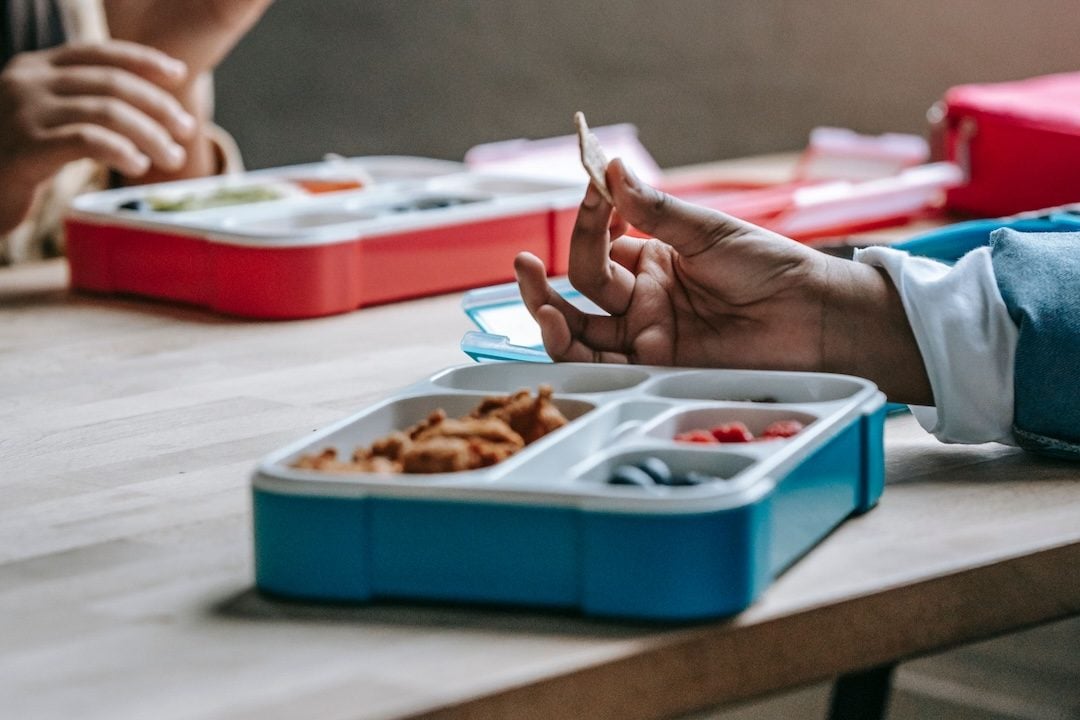
Opening lunch containers and packaging
Kindergarteners are expected to open their own snacks and lunch containers without much help. Use similar bags and containers they will encounter in the cafeteria, such as yogurt cups, zip-lock bags, thermos lids, and juice boxes, so they can manage lunchtime on their own.
Finishing a meal within a set amount of time
School lunch periods are typically around 20 to 30 minutes, which can feel surprisingly short for young kids. Help your child get used to this by occasionally setting a gentle timer during mealtimes. Keep it light and pressure-free!
Washing hands
Build proper handwashing into your child’s daily routine now, before meals, after using the bathroom, and after playing outside. Making it a consistent habit during summer break means it will feel like second nature once school starts.
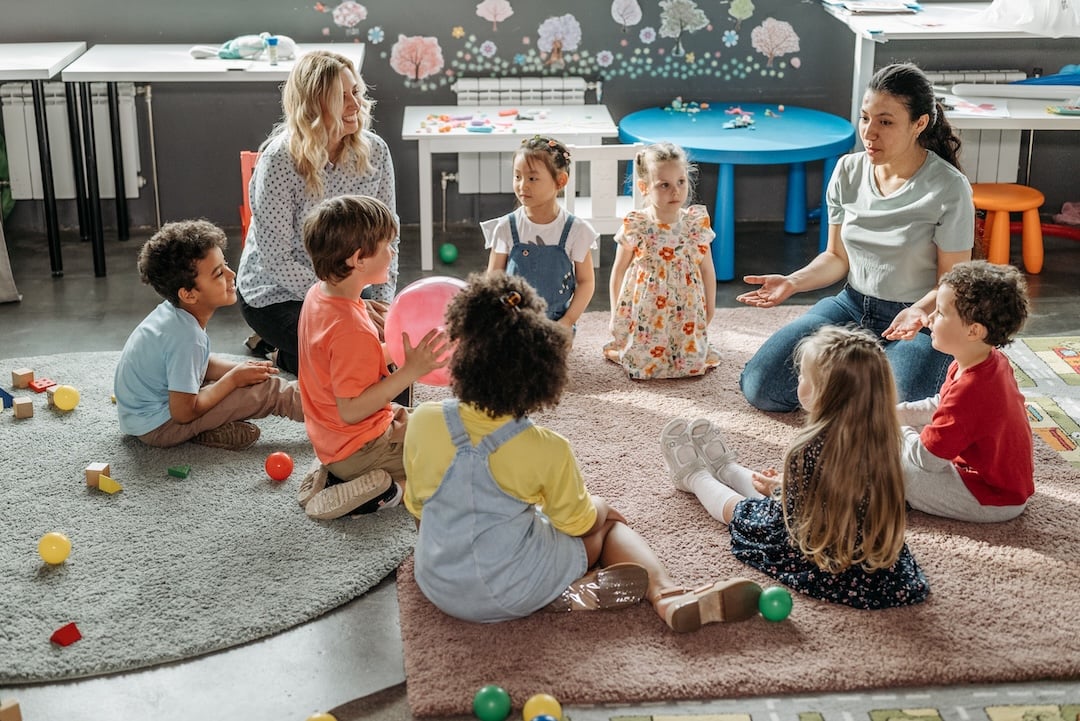
Following simple directions
Listening carefully and following directions are skills children use throughout the school day. Encourage these abilities by incorporating simple one- and two-step directions into games, household tasks, and daily life.
Waiting in line and taking turns
Kindergarten involves a lot of lining up, sharing materials, and taking turns. Board games, card games, and group activities are fun ways to help children practice self-control and strengthen these important social skills.
Supporting early reading, writing, and learning at home
Along with everyday life skills, you can gently weave in reading and writing activities that feel fun and natural. Instead of structured studying, it is about small experiences that keep children comfortable with learning. Reading together, going to the library, or spotting words while you are out and about are all easy ways to support early literacy.
You can also include offline activities that fit naturally into your summer routine, helping balance screen time with hands-on learning experiences such as:
- Daily reading practice (20 minutes together before bed)
- Letter and shape recognition activities
- Sight word practice
- Rhyming or phonics printables
- Coloring worksheets
Preparing for kindergarten is a gradual process, and every child develops these skills at their own pace. Small, consistent moments of practice can make a big difference in helping children feel more ready for classroom routines and expectations. With a focus on independence and everyday readiness skills, families can support a smoother transition into kindergarten and a positive start to school.